Monogram H: A Timeless Embroidery Design for Meaningful Gifts
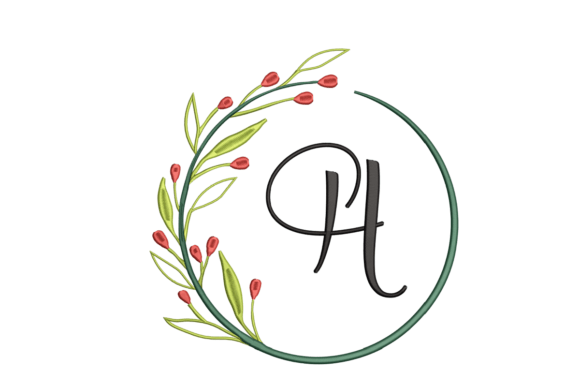
As an embroidery designer who’s developed hundreds of custom monograms for baby boutiques, wedding studios, and Etsy sellers over the past 12 years, I approached Monogram H with both curiosity and high standards. This isn’t just another letter—it’s a quiet promise of elegance, clarity, and emotional resonance. When I first opened the digital embroidery file, I felt that familiar spark: clean curves, balanced negative space, and a subtle hand-drawn warmth that avoids looking stiff or overly digital. It’s neither fussy nor minimalist—it lands perfectly in the sweet spot between classic and contemporary.
The mood? Elegant, tender, and quietly confident. Think heirloom baby blankets stitched in ivory thread on organic cotton, not flashy neon on polyester. Monogram H doesn’t shout—it invites. Its charm lies in its restraint: graceful serifs, soft tapering strokes, and a gentle rhythm that feels handmade even when stitched by machine. It reads as romantic without being bridal-specific, sweet without leaning into cutesy, and timeless without feeling dated. That versatility is rare—and invaluable—for anyone curating a personalized gift collection.
For baby embroidery, Monogram H shines on muslin swaddles, knit blanket corners, and embroidered onesies (when placed thoughtfully—more on that below). Its open structure breathes on lightweight fabrics, and its moderate height ensures legibility even at 2.5 inches tall—a sweet spot for nursery decor. As a wedding gift, it pairs beautifully with linen napkins, velvet pillow covers, or monogrammed cotton tote bags for bridesmaids. I’ve already sketched mockups for a “H” paired with a single sprig of eucalyptus—minimal, meaningful, and shelf-ready for boutique photography.
Small shop owners and Etsy sellers will appreciate how effortlessly Monogram H elevates everyday items. An embroidered kitchen towel becomes a signature item. A simple canvas tote transforms into a thoughtful hostess gift. And because it belongs to the Shapes category—not florals or scripts—it works across seasons and styles. No need to rotate inventory for holidays; this design supports year-round storytelling through personalization.
That said, Monogram H isn’t universally forgiving—and that’s where experience matters. Use caution on:
- Stretchy baby clothes: The design’s clean lines can distort if hooped too tightly on knits. Always test with tear-away + cut-away stabilizer combo.
- Textured fabric like terry cloth or bouclé: Those delicate inner curves may blur. Opt for slightly larger sizing (3.0"+) and reduce stitch density if your machine allows.
- Dark fabric: While elegant in black thread on navy denim, fine interior details may recede. Always run a printable mockup and compare light/dark fabric previews before listing.
- Curved surfaces like mugs or curved pillow edges: Avoid placing the full monogram across seams or bends—center it on flat panels instead.
- Frequent-wash items like dish towels or baby bibs: Confirm thread quality and stabilizer hold-up after 5+ wash cycles in your test batch.
Where Monogram H truly excels is in building customer trust. Because it looks intentionally designed—not auto-generated—it signals care and craftsmanship. Buyers scrolling Etsy or browsing a local craft fair subconsciously equate that refined line work with higher perceived value. A well-executed Monogram H on a linen pillow cover doesn’t just say “custom”—it whispers “this was chosen, not rushed.” That emotional connection translates directly to repeat orders and word-of-mouth referrals.
Photography benefits, too. Its balanced proportions and clear silhouette make it highly photogenic—even on mobile screens. No need for heavy filters or complex backdrops. A soft shadow, natural light, and a neutral surface let Monogram H speak for itself. For small shop product listings, that means faster setup, stronger click-throughs, and better conversion from social pins.
Before stitching your first customer order, here are my non-negotiable practical checks:
- Test on scrap fabric—same type, same color, same stabilizer you’ll use for production.
- Confirm hoop size: Does Monogram H fit comfortably within your most-used hoop? If it’s tight, adjust placement or consider re-hooping mid-stitch.
- Review stitch density: Overly dense fills can cause puckering on lightweight cottons. Look for smooth satin columns—not brickwork.
- Match thread colors wisely: Ivory on cream reads warm and cohesive; white on off-white can look jarring. Keep a physical thread swatch book nearby.
- Use proper stabilizer: Light cut-away for stable wovens; tear-away + light cut-away for knits; water-soluble top layer for dense pile towels.
- Check small details post-stitch: Are inner curves crisp? Are jump stitches trimmed? A magnifying lamp saves hours in rework.
- Verify commercial licensing: Since Monogram H is marketed as a machine embroidery design for personalized products, confirm whether resale rights are included—or if attribution or usage limits apply.
One final note: Monogram H thrives in context. Alone, it’s lovely. Paired with intentional curation—thoughtful packaging, a handwritten note, or a matching printable gift tag—it becomes unforgettable. I recently used it on a set of three organic cotton napkins for a client’s vow renewal; she framed one with dried lavender and hung it in her kitchen. That’s the power of a well-chosen monogram—not decoration, but memory-making.
Whether you’re launching your first handmade product line, expanding your commercial embroidery offerings, or refreshing your Etsy shop’s bestsellers, Monogram H delivers quiet confidence. It’s not flashy—but then, the most meaningful gifts rarely are. It’s the kind of embroidery file that earns repeat customers, inspires Instagram tags, and sits gently—yet proudly—in homes for years. In a world of noise, Monogram H reminds us that sometimes, one beautiful letter is all you need.