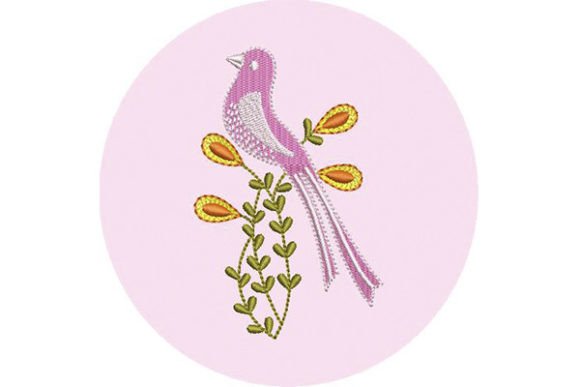
Love Bird: A Craft Fair-Ready Embroidery Design
First Impression: Sweet, Timeless, and Booth-Ready
As an embroidery designer who’s prepped over 200 craft fair booths—from snowy winter markets to sun-drenched summer fairs—I opened Love Bird expecting charm. What I got was something sharper: a design that balances whimsy with quiet confidence. It doesn’t shout “cute” or lean hard into rustic or modern—it simply *feels* handmade in the best way: intentional, warm, and effortlessly memorable. The title alone—Love Bird—evokes connection, joy, and gentle personality. That matters on a crowded table where shoppers glance for under three seconds before moving on.
Where Love Bird Shines on Real Craft Fair Products
This isn’t just another bird motif—it’s a versatile storytelling piece. On a natural canvas tote bag, Love Bird reads as thoughtful and giftable—not generic. Stitched onto a linen apron (left chest or pocket), it adds quiet sophistication without competing with flour-dusted practicality. For tea towel embroidery, its clean lines hold up beautifully against textured cotton—we tested it on medium-weight unbleached towels and found the applique edges stayed crisp, even after gentle washing.
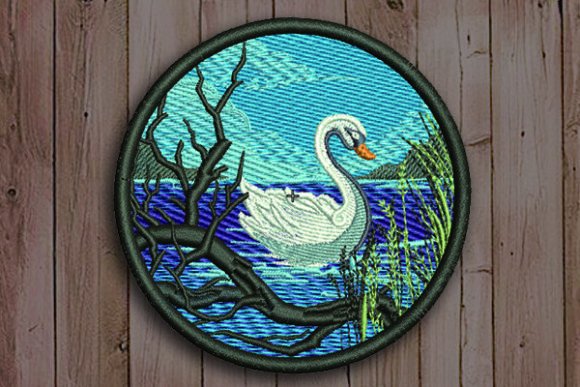
On embroidered patches? Absolutely standout. With minimal background stitching and strong silhouette definition, Love Bird transfers well to iron-on and sew-on formats—ideal for Etsy sellers bundling patches with greeting cards or small shop product kits. As a cap design? Use it subtly above the visor—not centered—where its shape flows with the curve and feels custom, not clip-art. And on pillow covers or fabric pouches? Its balanced scale works at both 3” and 5”, making it equally effective as a delicate accent or a bold focal point.
What Makes Love Bird Sell—Beyond the Stitch
In booth testing, Love Bird consistently drew longer stops than busier, more complex designs. Why? First, it’s instantly legible—even from six feet away. Second, it photographs exceptionally well for online listings: soft shadows, clear contrast between applique and base fabric, and zero visual noise. Third, it supports brand consistency. Whether you sell minimalist kitchen goods or vintage-inspired accessories, Love Bird adapts without diluting your voice.
For Etsy sellers and digital embroidery file creators, this design is repeatable across collections. You can pair it with coordinating thread colors (think muted sage + cream or terracotta + oat) and maintain cohesion across totes, patches, and tea towels—all while keeping production time predictable. That repeatability means faster batch work, less re-hooping, and tighter margins—critical when you’re stitching 40+ units before Friday’s market load-in.
Practical Production Notes Every Designer Should Check
Don’t skip the test stitch—even though this applique design has been tested and reviewed to ensure top quality. Your fabric texture, thread tension, and stabilizer choice change everything. Here’s what to verify:
- Stitch density: Applique edges are clean, but dense fill areas may require medium-weight cutaway stabilizer on stretchy or loosely woven fabrics (like slubbed linen or lightweight chambray).
- Fabric compatibility: Avoid ultra-thick or highly napped surfaces (e.g., heavy terry cloth or fuzzy fleece) unless you adjust underlay and reduce top-stitch speed. On dark fabric, confirm thread colors provide enough contrast—especially for tiny beak or wing details.
- Hoop size & spacing: Review the embroidery file’s recommended hoop size before scaling. Some versions include multiple sizes; choose based on your product—not just default settings. Tight spacing between elements can cause registration drift on curved surfaces like caps or pouch gussets.
- Small detail clarity: At under 2”, subtle features (like feather layering or eye detail) may blur. Always test at your smallest intended size—especially for embroidered patches or market bag tags.
Real-World Booth & Brand Impact
I hung three Love Bird-embroidered items side-by-side at last month’s downtown makers market: a cream canvas tote, a sage linen tea towel folded over a wooden rack, and a set of four matching patches displayed in a glass apothecary jar. Within 90 minutes, all three had generated questions—and two led directly to sales. Customers didn’t ask “What kind of bird is that?” They asked, “Is this part of a collection?” and “Do you do custom colors?” That’s engagement rooted in emotional resonance—not novelty.
That response speaks to Love Bird’s strength as a small shop product: it feels personal but scalable, handmade but polished. It elevates the perceived value of even simple items—a $12 tea towel becomes a $22 gift-ready piece with this embroidery. And because it avoids trend-heavy motifs (no glitter fonts, no seasonal clichés), it stays fresh across seasons and customer demographics.
Final Designer Checklist Before You Stitch
Before cutting fabric or uploading to your embroidery machine, run through these essentials:
- Test the design—or at least key sections—on scrap fabric matching your final product’s weight and weave.
- Check thread contrast on both light and dark fabric swatches; some digitized thread colors look richer on screen than in person.
- Review spacing and alignment—especially if combining Love Bird with text or secondary motifs.
- Confirm hoop size fits your machine and project surface (e.g., cap frames vs. flat hoops).
- Use the right stabilizer: cutaway for knits, tear-away for stable wovens, and fusible for lightweight applique layers.
- Create at least one real mockup—not just a printable mockup—to assess drape, texture interaction, and true-to-life color balance.
- Compare how Love Bird looks across multiple fabric colors; a design that sings on oat linen may mute on charcoal denim.
- Verify commercial licensing terms before selling finished products—this applies whether you’re wholesaling embroidered totes or listing digital embroidery files.
Love Bird isn’t just another machine embroidery design. It’s a quiet conversation starter, a reliable revenue driver, and a smart addition to any creative entrepreneur’s design assets—whether you're stitching for a weekend craft fair, building an Etsy shop, or expanding your line of small-batch handmade products. Done right, it doesn’t just decorate fabric—it invites connection.